In the furniture manufacturing industry, the quality of the final product depends on the performance of every component. While often seen as a minor detail, PVC edge banding plays a crucial role in a furniture piece’s appearance, durability, and environmental performance.
For both edge banding distributors and furniture manufacturers, product quality is a top priority. Low-quality edge banding can cause production line interruptions, color inconsistencies that lead to rejected batches, and even costly product recalls.
With over 15 years of experience in edge banding manufacturing and export, Shengmei Edge Banding Factory shares practical insights on how to choose a reliable PVC edge banding supplier in today’s highly competitive global market.
1. Quality of Finished Products and Raw Materials
Consistent Finished Product Quality
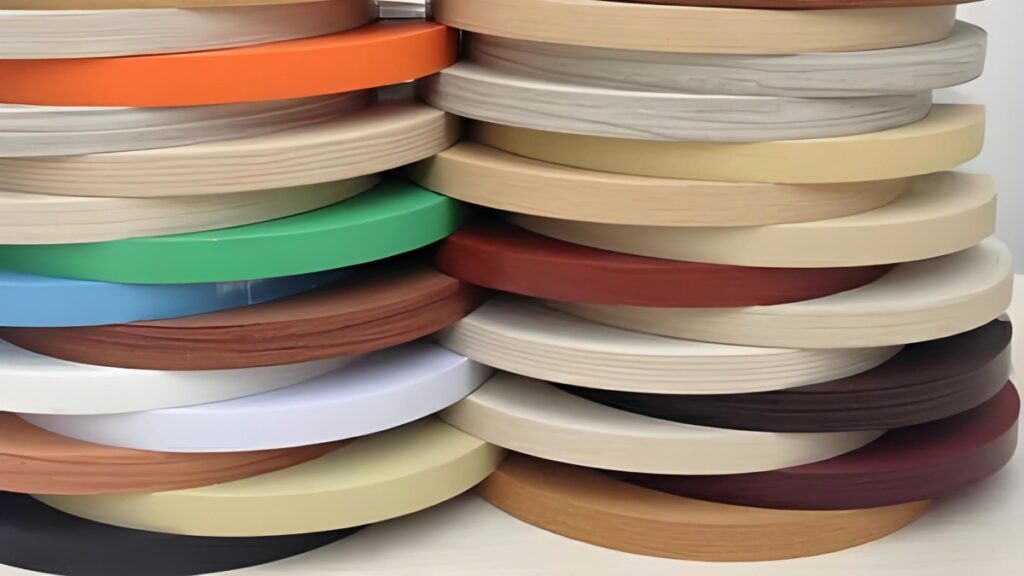
One of the most common challenges buyers face is inconsistency between production batches. High-quality PVC edge banding should maintain stable performance from batch to batch, with a smooth surface free of bubbles or scratches and clean, precise edges. A reliable supplier should be able to guarantee:
- Consistent color matching across different batches (ΔE < 1.0).
- Tight tolerances for thickness and width (within ±0.05 mm).
- Strong bonding performance with hot-melt adhesives such as EVA and PUR.
- Excellent flexibility and crack resistance (able to withstand more than 300 bending cycles).
- Good scratch resistance for long-term use.
- UV stability to prevent yellowing after prolonged sunlight exposure.
Consistent Raw Material Quality
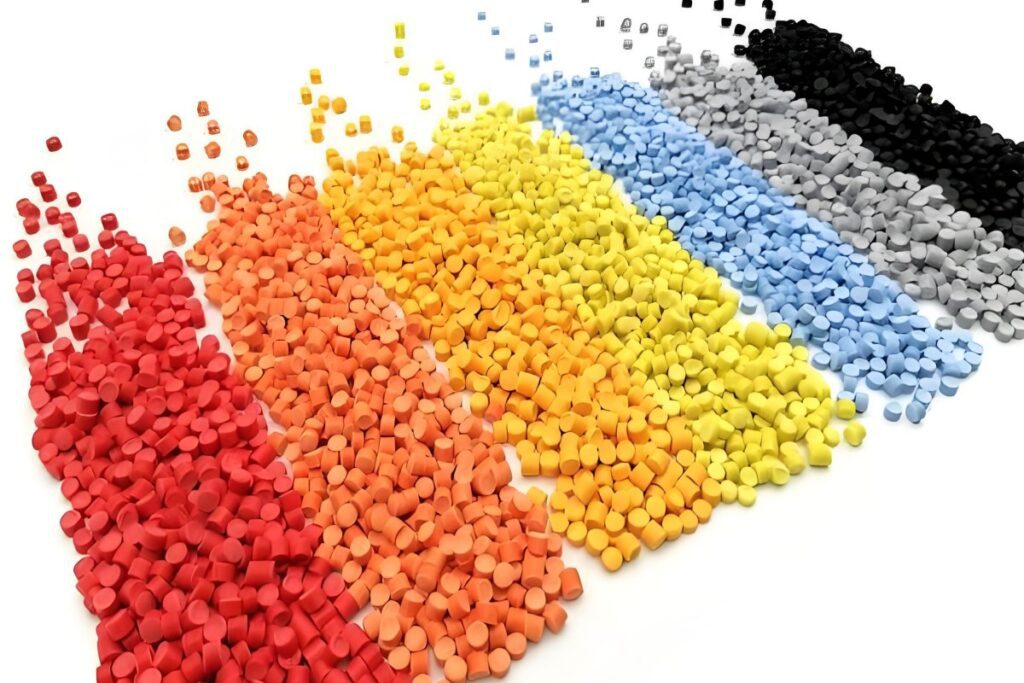
The performance of PVC edge banding largely depends on the quality of raw materials. One key factor is whether virgin PVC resin or recycled materials are used. While recycled materials may reduce costs, they often introduce impurities that can lead to brittleness and poor color consistency. A trustworthy supplier should ensure:
- The use of high-quality virgin PVC resin.
- Eco-friendly stabilizers, plasticizers, inks, and other additives.
- Strict control of filler content (such as calcium carbonate).
2. Manufacturing Capabilities
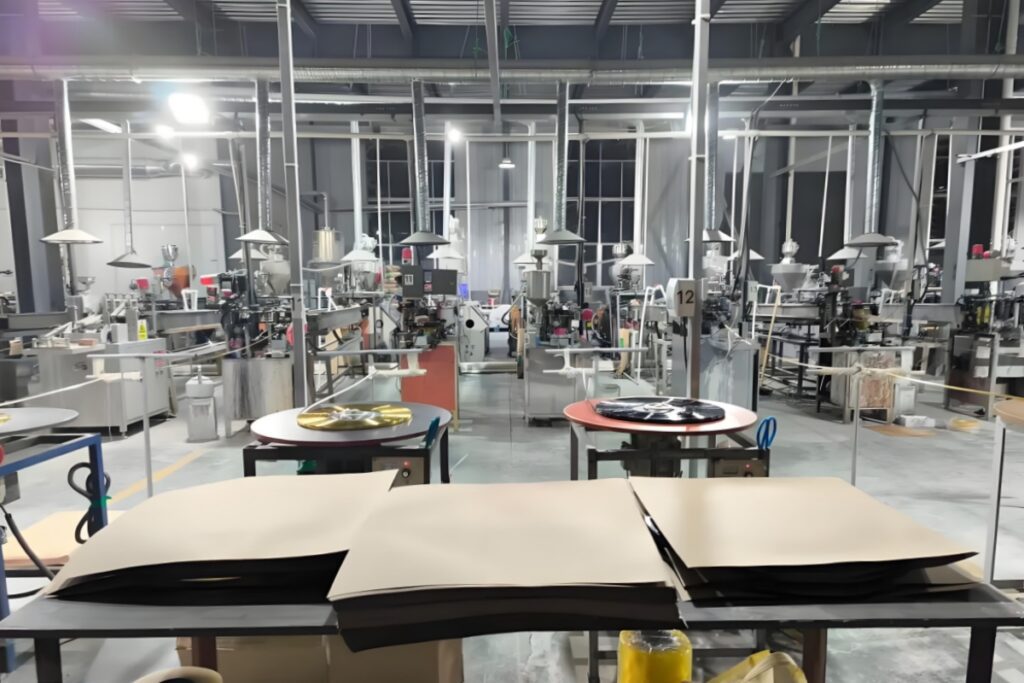
A manufacturer’s production capacity directly affects its ability to deliver large orders on time. Buyers should evaluate whether the factory has complete and well-managed production lines, including granulation, extrusion, and printing.
It is also practical to ask about the supplier’s daily output and standard lead times to ensure they can meet your project requirements consistently.
3. Color Matching and Customization Capabilities
In furniture manufacturing, how well the edge banding matches the panel in both color and texture is critical to the final appearance. When selecting a PVC edge banding supplier, it is important to confirm whether they offer:
A wide range of standard color options.
The ability to customize based on panel samples or color cards.
In most cases, buyers provide a physical sample, and the supplier’s lab analyzes and matches it. A professional manufacturer can typically deliver a matching sample within 5–8 working days.

4. Export Experience and Logistics Capabilities
Export experience is often a strong indicator of a supplier’s professionalism. Reliable PVC edge banding suppliers usually have a clear understanding of market preferences in different countries, as well as local import requirements.
In addition, experienced exporters work with stable logistics partners and proven shipping solutions, helping buyers reduce risks and make more informed purchasing decisions.
5. A Practical Approach to Price Comparison
Price is an important factor in any purchasing decision, but unusually low prices often come with hidden risks. These may include the use of recycled PVC resin, non-eco-friendly materials, low PVC content, or insufficient surface ink coverage—all of which can negatively affect product performance and appearance.
A reliable PVC edge banding supplier will offer competitive yet reasonable pricing, balancing cost with consistent quality. Instead of focusing only on the lowest price, buyers should consider overall value and long-term reliability.
Conclusion
Choosing a reliable PVC edge banding supplier requires a comprehensive evaluation of several key factors, including product and raw material quality, manufacturing capabilities, color matching and customization, export experience, logistics support, and pricing strategy.
A dependable supplier is more than just a vendor—they are a long-term partner who helps reduce risks, improve product quality, and strengthen your competitiveness in the market. Before placing a formal order, it is always recommended to combine sample testing, factory evaluation, and clear communication to ensure the right choice.