
As a Chinese edge banding manufacturer and exporter with over 15 years of industry experience, we have supplied PVC edge banding solutions to furniture manufacturers, distributors, and importers worldwide. Based on our long-term sales data, 0.8mm and 1mm edge banding are the most commonly selected thicknesses, while 2mm edge banding is also widely used for high-end furniture and applications requiring stronger impact resistance.
Choosing the right edge banding thickness is an important decision for furniture production. The thickness of PVC edge banding not only affects the final appearance of furniture panels but also influences edge protection, machining performance, durability, and overall production cost.
In this article, we will compare 1mm vs 2mm edge banding from several practical aspects, including performance differences, suitable applications, processing requirements, and cost considerations. This comparison will help furniture manufacturers choose the most suitable edge banding thickness for their specific projects.
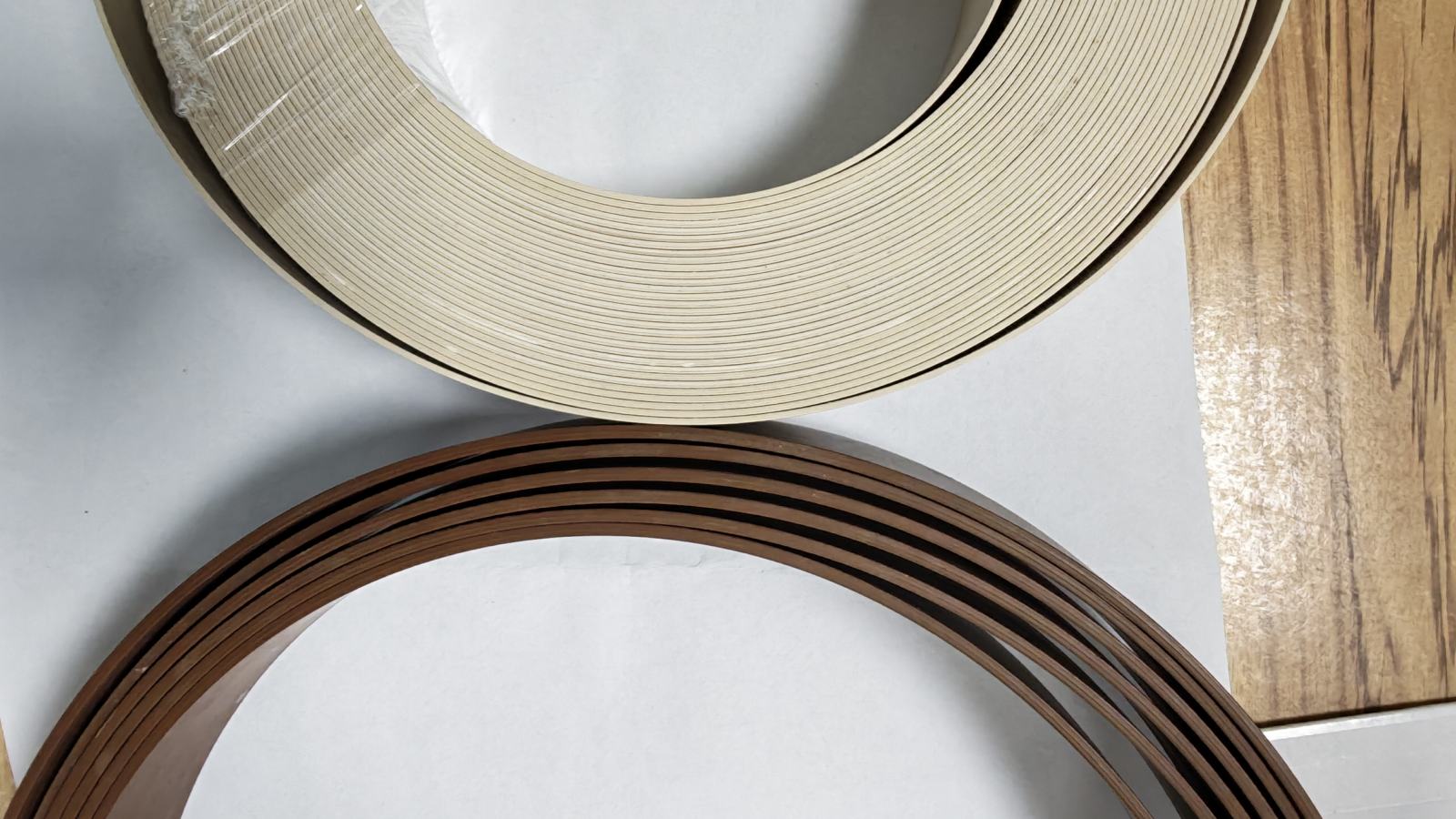
What is edge banding thickness?
Before comparing 1mm and 2mm edge banding, it is important to understand what edge banding thickness means and why it matters in furniture production.
Edge banding thickness refers to the thickness of the decorative strip applied to the exposed edges of furniture panels, such as particleboard, MDF, and plywood. It plays an important role in determining the appearance, edge protection, impact resistance, and processing requirements of finished furniture.
Common PVC edge banding thickness options include 0.4mm, 0.6mm, 0.8mm, 1.0mm, and 2.0mm. Different thicknesses are selected based on furniture design, application requirements, and production costs.
In general:
- Thin edge banding (0.4mm–1.0mm) is commonly used for cost-sensitive furniture projects, including flat-pack furniture and products where basic edge protection is required.
- Medium-thickness edge banding (1.0mm–2.0mm) is widely used in residential and commercial furniture, offering a better balance between appearance, durability, and processing efficiency.
- Thick edge banding (above 2.0mm) is mainly used for premium furniture applications where stronger impact resistance, better edge protection, and a more solid appearance are required.
1mm vs 2mm edge banding
To better understand the differences between 1mm and 2mm edge banding, we will compare them based on four key factors: durability, appearance, cost, and application requirements.
1. Durability and Impact Resistance
1mm edge banding:
1mm edge banding provides reliable protection for everyday furniture use, helping prevent minor scratches, moisture penetration, and small impacts. However, because of its thinner structure, it offers less resistance against heavy impact. In high-use areas such as kitchen cabinets, office desks, and commercial furniture, the edges may be more vulnerable to dents or damage over time.
2mm edge banding:
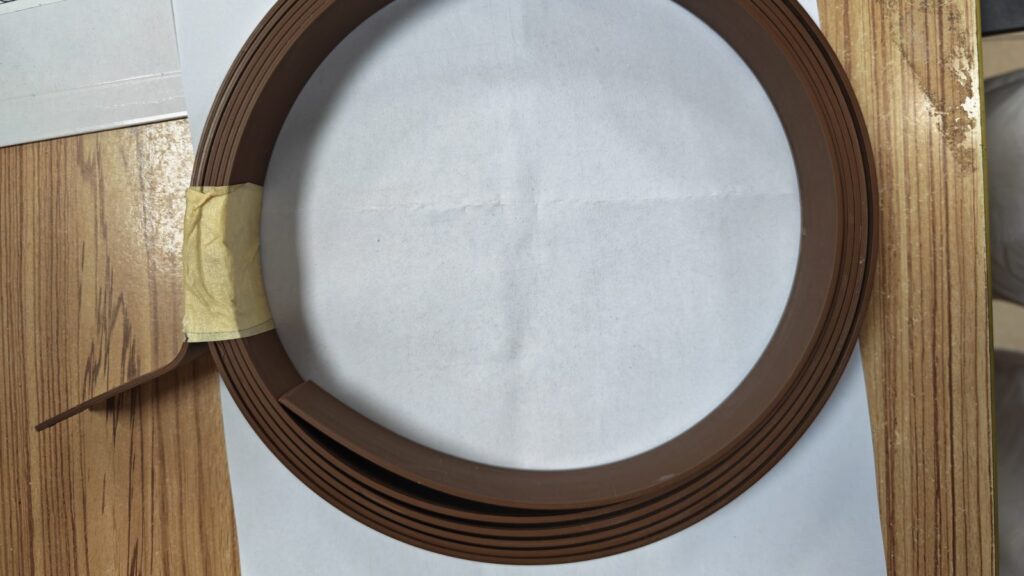
2mm edge banding offers stronger impact resistance due to its additional thickness. The thicker layer provides better protection for the panel edge and helps reduce damage caused by collisions, frequent use, and transportation. For commercial furniture, rental properties, hotels, and high-traffic environments, 2mm edge banding is often a more durable choice.
2. Appearance and design effect
1mm edge banding:
Due to its thinner profile, 1mm edge banding is easier to process on curved edges and smaller radius designs. It creates a clean and sharp edge appearance, making it a popular choice for modern minimalist furniture styles where a slim and neat look is preferred.
2mm edge banding:
When processed with professional edge banding machines and properly polished, 2mm edge banding creates a smoother and more rounded edge effect. The thicker edge gives furniture a stronger visual presence and a premium feel, which is why it is commonly selected for high-end cabinets, luxury wardrobes, executive desks, and customized furniture projects.
3. Cost Comparison
1mm edge banding:
Compared with 2mm edge banding, 1mm requires less raw material and has lower production costs. The lower material consumption makes it a cost-effective solution for large-volume furniture production, especially for standard cabinets, wardrobes, and office furniture.
2mm edge banding:
Because it uses more PVC material and requires a larger printing and surface finishing area, 2mm edge banding has a higher material cost. In addition, thicker edge banding may require optimized adhesive application and suitable processing conditions to achieve the best bonding performance, which can increase overall production costs.
4. Application scenarios
1mm edge banding:
Generally suitable for most kitchen cabinets, wardrobes, desks, bookshelves, bedroom furniture, and commercial furniture on the market; provides standard daily protection for the furniture.
2mm edge banding:
Offers superior impact resistance and enhanced visual appeal; typically used for luxury kitchen cabinets, high-end wardrobes, premium hotel furniture, custom-made furniture, and similar applications.
1mm vs 2mm edge banding sheet comparison
| Feature | 1mm Edge Banding | 2mm Edge Banding |
| Thickness | 1.0mm | 2.0mm |
| Cost | more economical | higher cost |
| Impact resistance | good | excellent |
| Flexibility (Curves) | excellent (Fits tight radii) | poor (Requires straight edges) |
| Processing speed | faster | slower |
| Material consumption | lower | higher |
| Application | modern furniture, shelves, curved pieces | kitchens, Office desks, High-end wardrobes |
| Machine Requirements | standard | high performance |
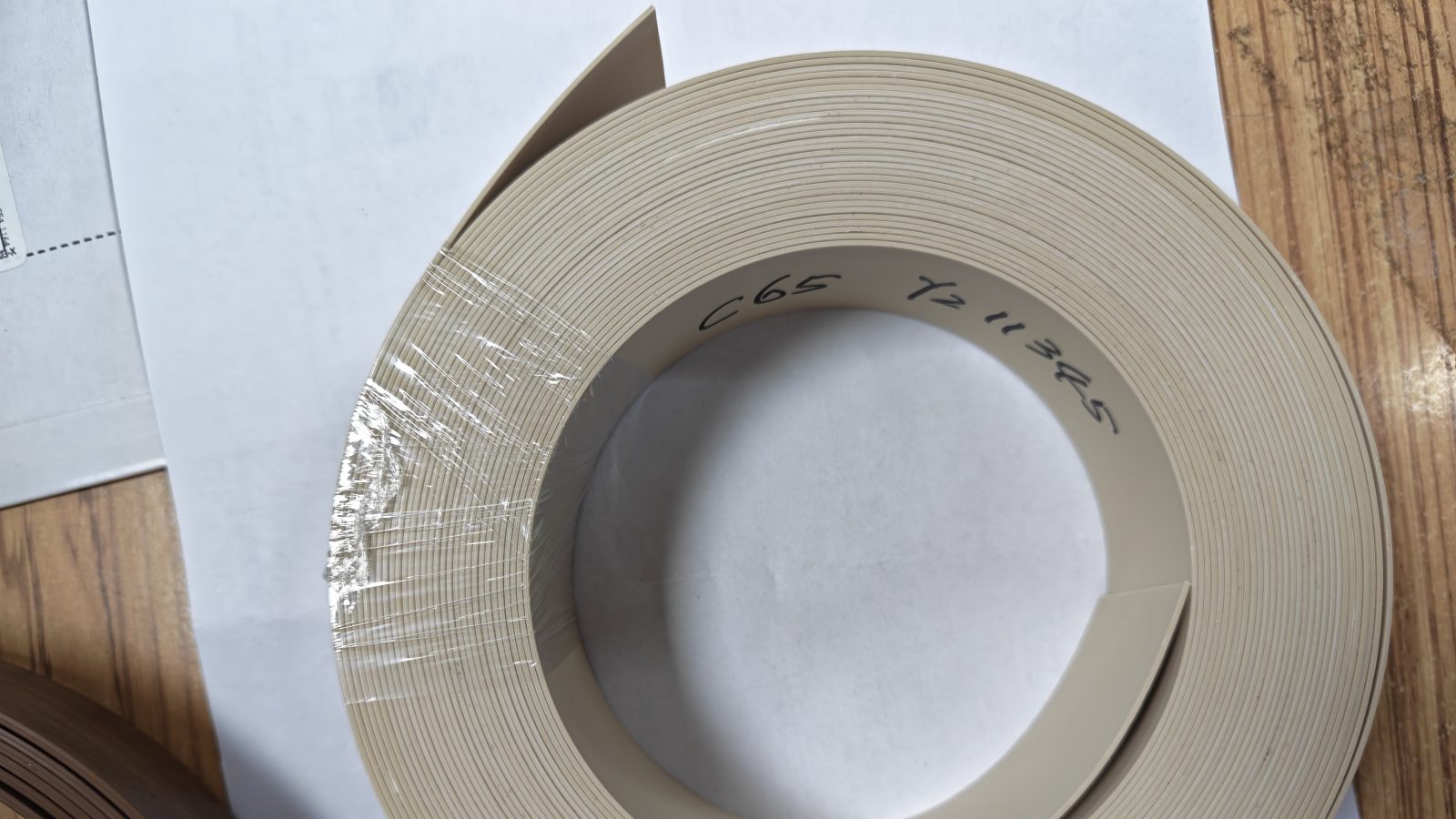
1mm or 2mm edge banding, Which should you choose?
- 1mm edge banding is the best choice for most furniture manufacturers because it offers an excellent balance between cost, appearance, and performance.
- 2mm edge banding is recommended for premium furniture, heavy-use applications, and projects requiring stronger edge protection.
Choosing the right thickness depends on your furniture design, production requirements, and target market.
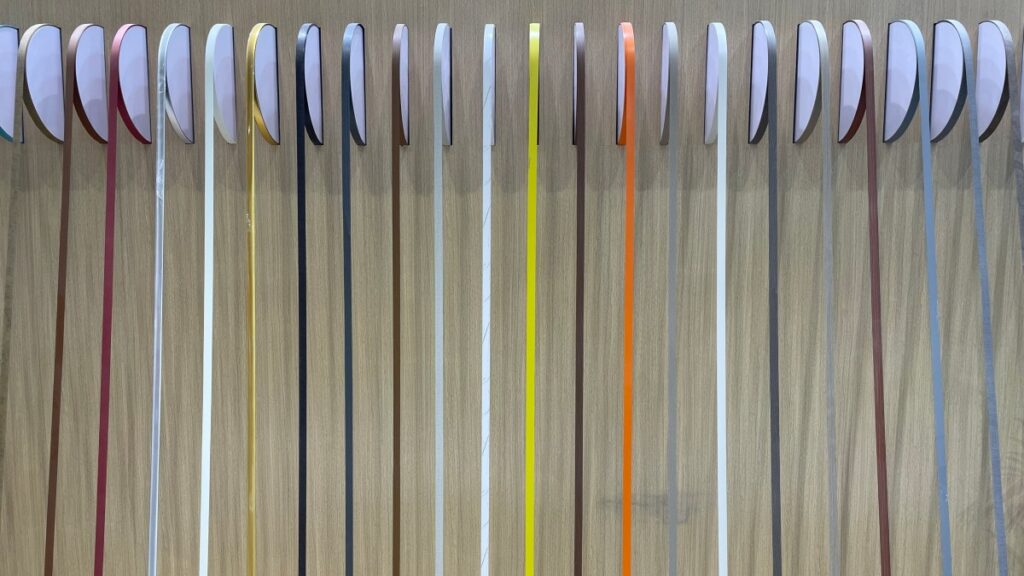
As a professional PVC edge banding manufacturer in China, we provide customized 1mm and 2mm edge banding strips in various colors, textures, and sizes for global furniture manufacturers and distributors.
Contact us for samples and customized solutions.
Frequently asked questions (FAQs)
Q: Can I use 2mm edge banding on a curved surface?
A: Generally, no. 2mm is too rigid for tight curves. If you need a curved banding, we recommend 1mm to ensure a bubble-free, seamless wrap.
Q: Does 1mm edge banding break easily?
A: It is more prone to chipping if hit with a heavy object. However, it is less likely to break during shipping because it flexes with the board.
Q: How do I ensure 2mm edge banding doesn’t show glue lines?
A: Use a high-quality PUR glue and ensure your edging machine’s trimming knives are sharp. A proper buffing wheel also helps remove excess adhesive for a flawless finish.

