
Edge banding traders, importers, and large furniture manufacturers know that choosing the right edge banding material directly impacts furniture durability, appearance, production efficiency, cost control, and overall customer satisfaction. However, with so many options on the market, such as PVC, ABS, PP, and wood edge banding, many buyers still ask the same question: Which type of edge banding is the best?
As a professional edge banding manufacturer with 15 years of production experience, we will provide a clear and comprehensive comparison of the most common edge banding materials (PVC, ABS, PP, and wood). This guide will help you understand their differences, advantages, and ideal applications so you can confidently choose the best edge banding material for your business.
1. PVC Edge Banding
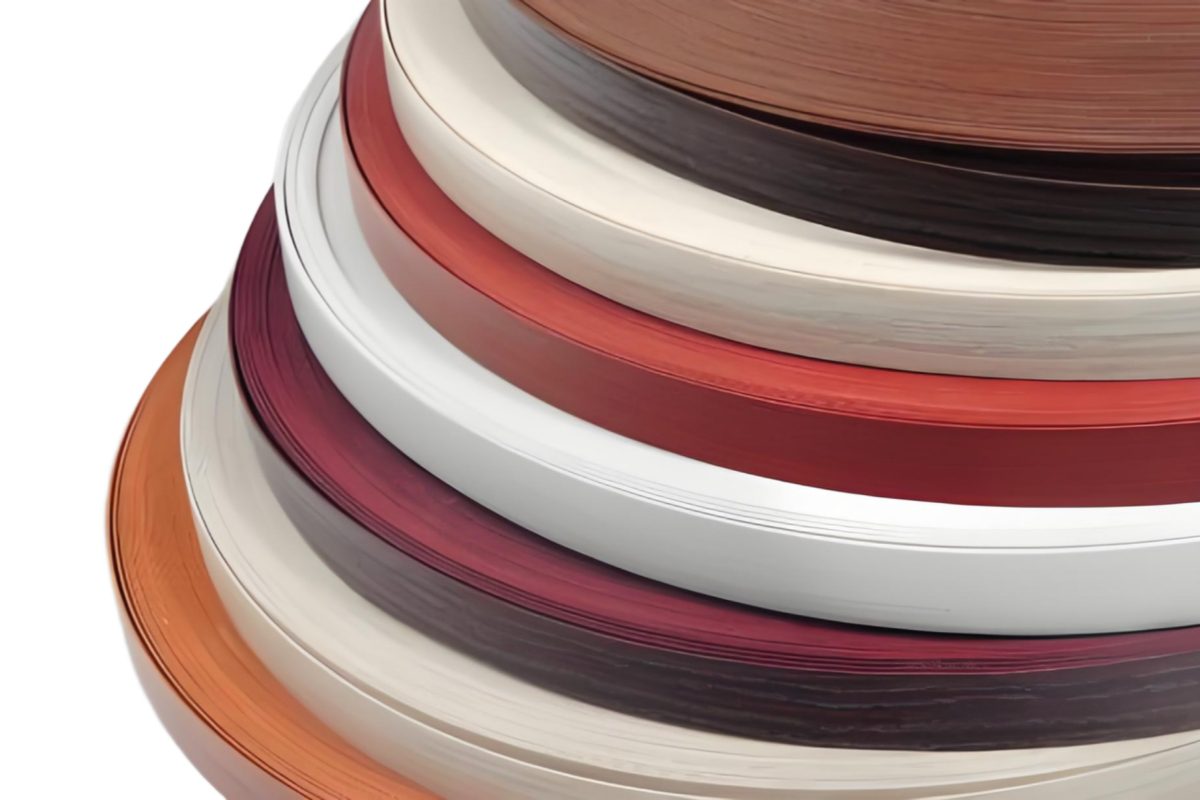
PVC (Polyvinyl Chloride) is the most widely used edge banding material worldwide, accounting for more than 80% of the global market share. Its popularity comes from an excellent balance of cost, performance, and versatility.
Advantages of PVC Edge Banding
1. Cost-Effective
PVC edge banding is affordable, making it ideal for high-volume production and budget-sensitive furniture projects.
2. Excellent Flexibility
It easily adapts to straight, curved, and irregular furniture surfaces, offering strong processing stability.
3. Wide Range of Designs
Available in unlimited colors, wood grain textures, solid colors, high gloss, matte, embossed, and skin-touch finishes. Custom sizes and patterns are also widely supported.
4. Strong Overall Performance
PVC edge banding is resistant to moisture, abrasion, and common household chemicals, helping furniture maintain a long service life.
Disadvantages of PVC Edge Banding
1. Moderate Environmental Friendliness
PVC contains chlorine. During use and disposal, especially incineration, it may release harmful substances. This makes PVC less favored in markets with strict environmental regulations, such as Europe and North America.
2. Limited Heat Resistance
Exposure to temperatures above 70°C may cause softening or deformation, making it unsuitable for outdoor furniture or high-heat environments.
3. Slightly Plastic Texture
Compared with premium materials like ABS or natural wood, PVC may look or feel slightly more artificial.
Conclusion
PVC edge banding remains the best overall choice for most furniture manufacturers because of its balanced performance and competitive price. It is especially suitable for businesses targeting budget-friendly, low- to mid-range furniture markets, including office furniture, modular furniture, cabinets, wardrobes, and similar products—where strict environmental regulations are not the primary concern.
2. ABS Edge Banding
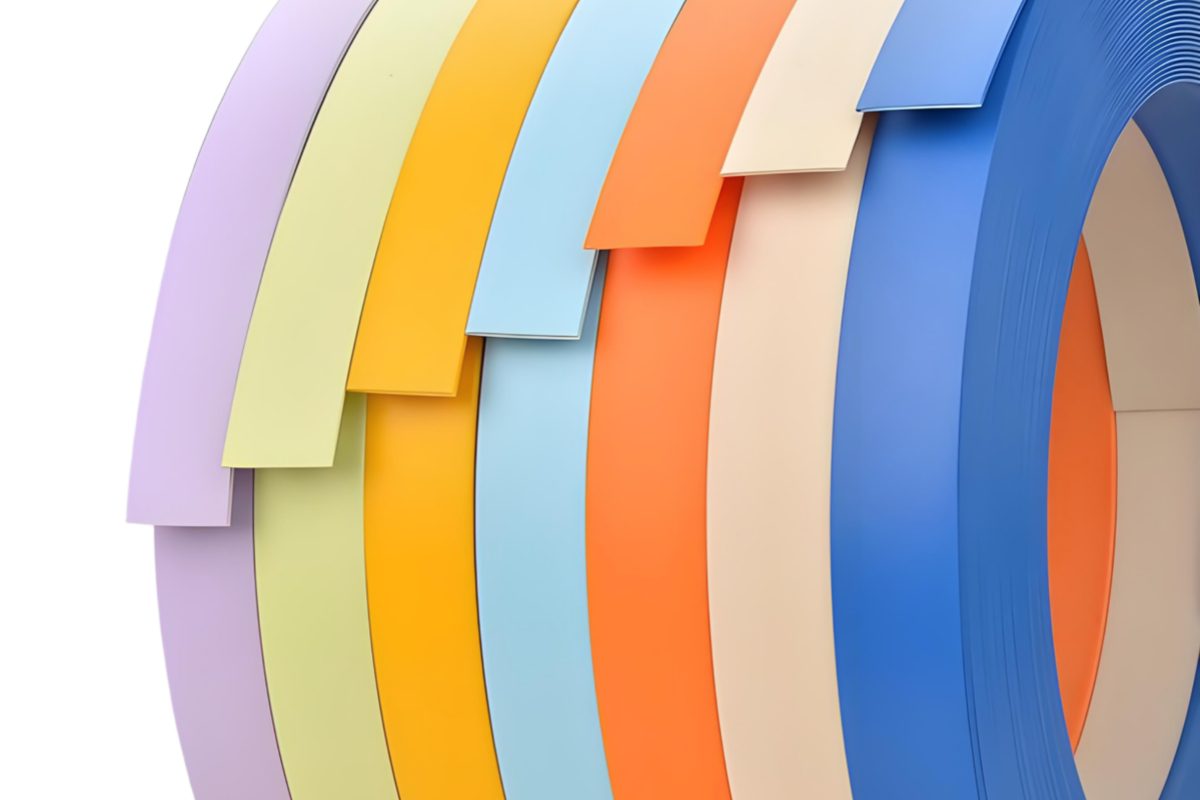
ABS (Acrylonitrile-Butadiene-Styrene) edge banding is widely used in Europe, North America, and regions with strict environmental standards. It is often considered a high-quality, eco-friendly alternative to PVC edge banding, effectively addressing many of PVC’s limitations.
Advantages of ABS Edge Banding
1. Environmentally Friendly
Free from chlorine and heavy metals, ABS edge banding meets stringent environmental regulations and is highly preferred in green and sustainable furniture manufacturing.
2. Excellent Edge Finishing
It provides cleaner and smoother cutting performance, reducing the likelihood of chipping, cracking, or whitening during edge processing.
3. Outstanding Heat Resistance
ABS can withstand temperatures up to 110°C, making it suitable for outdoor furniture and environments with higher heat exposure.
4. Superior Surface Texture
Compared with PVC, ABS offers a more premium appearance and a better tactile feel, improving the overall perceived quality of furniture.
Disadvantages of ABS Edge Banding
1. Higher Brittleness
ABS edge banding is more prone to breakage and is less suitable for beveling, tight curves, or complex edge profiles.
2. Higher Cost
It is more expensive than PVC edge banding, which limits its use primarily to mid-range and high-end furniture applications.
Conclusion
ABS edge banding delivers excellent environmental performance, durability, and aesthetics, making it the ideal choice for furniture manufacturers serving mid- to high-end markets. It is especially suitable for brands that prioritize eco-friendly materials, product quality, and long-term performance.
3. PP Edge Banding
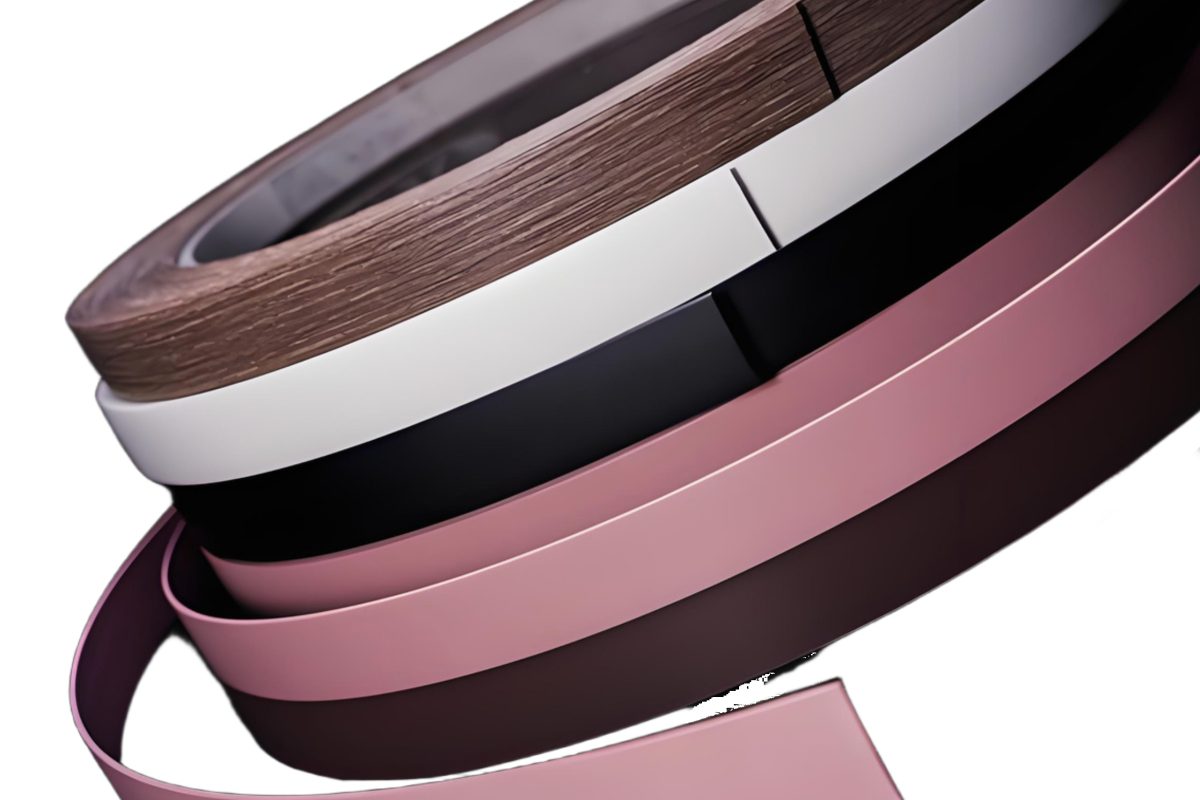
PP (Polypropylene) edge banding is a relatively new material that has gained significant attention in recent years. With its outstanding environmental performance and unique material properties, PP has become increasingly popular among modern furniture manufacturers.
Advantages of PP Edge Banding
1. Exceptional Environmental Friendliness
PP edge banding is 100% recyclable, non-toxic, and safe for food-contact applications. It is considered the most environmentally friendly plastic-based edge banding, making it ideal for children’s furniture, kitchen furniture, and eco-focused brands.
2. Excellent Chemical Resistance
PP offers strong resistance to common household detergents and cleaning chemicals, helping maintain long-term appearance and durability.
3. Premium Surface Texture
Compared to PVC edge banding, PP provides a smoother, higher-quality surface feel, enhancing the perceived value of the final furniture product.
Disadvantages of PP Edge Banding
1. Moderate Abrasion Resistance
Due to its softer surface, PP edge banding is more prone to scratches and marks compared with PVC and ABS.
2. More Complex Processing Requirements
Its flexible and elastic texture requires high-performance edge banding machinery to achieve stable and clean bonding results.
3. Higher Cost
PP is more expensive than PVC edge banding, making it less suitable for budget-sensitive projects.
Conclusion
PP edge banding is best suited for furniture manufacturers and brands focusing on sustainability, environmental protection, and premium product positioning. It is especially ideal for children’s furniture, medical and healthcare furniture, and high-end products where eco-friendly credentials serve as a key marketing advantage.
4. Wood Edge Banding
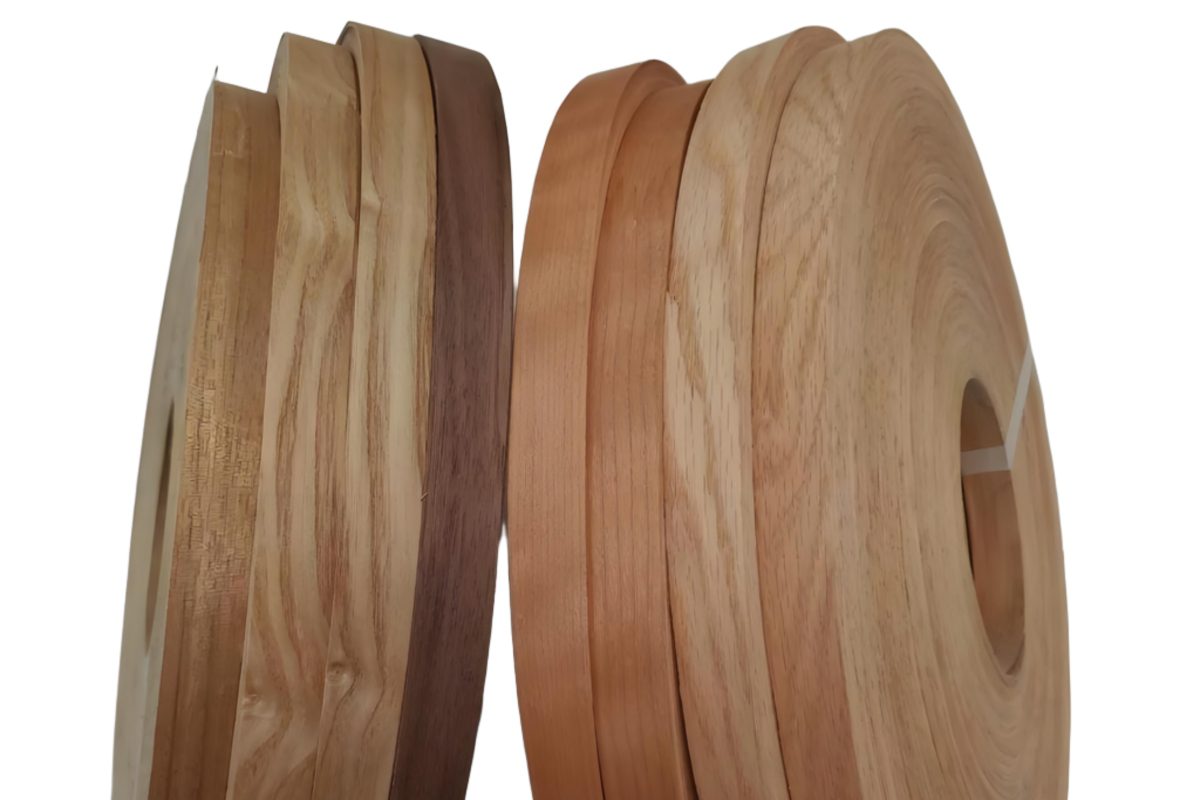
As a material made from natural solid wood, wood edge banding continues to hold an irreplaceable position—even in a market dominated by modern alternatives such as PVC, ABS, and PP. Its authenticity and premium appearance make it the preferred choice for high-end and luxury furniture.
Advantages of Wood Edge Banding
1. Excellent Environmental Friendliness
Made from raw wood, wood edge banding is a 100% natural and biodegradable material. It contains no harmful substances and is considered one of the most environmentally friendly edge banding options.
2. Superior Wood Grain Consistency
Because the grain is naturally formed, wood edge banding delivers a realistic and seamless “solid wood effect”, providing unmatched aesthetic consistency when applied to wooden panels.
3. High Market Value
Furniture using wood edge banding is perceived as premium. It clearly signals high product quality and craftsmanship, helping increase brand value and product pricing.
4. Strong Repairability
Minor scratches, dents, or surface wear can be easily repaired through light sanding, refinishing, or repainting—a capability that synthetic edge banding materials do not offer.
Disadvantages of Wood Edge Banding
1. High Cost
Wood edge banding is significantly more expensive than PVC, ABS, and PP—especially when using premium species such as black walnut, white oak, cherry, or teak.
2. Lower Dimensional Stability
As a hygroscopic material, wood naturally expands or contracts with changes in temperature and humidity. This requires better storage conditions and more professional processing skills.
3. Weaker Abrasion Resistance
Wood has lower hardness compared with PVC, ABS, and PP, making it easier to scratch or dent.
Conclusion
Wood edge banding represents the highest tier of furniture craftsmanship. Its advantages lie in its natural authenticity, aesthetic value, and repairability, but it also demands greater expertise from furniture manufacturers. It is best suited for brands aiming at the luxury, high-end, or custom furniture market, where material quality and visual impact are key selling points.
Comparison Summary Table of Various Types of Edge Banding
| Material | PVC | ABS | PP | Wood |
| Cost | low | middle | middle | high |
| Durability | middle | high | high | middle |
| Environmental protection | middle | high | high | high |
| Heat resistance | low | high | high | middle |
| Tactile | middle | high | high | high |
| Market | Economy | Mid-to-high-end | Pursuing environmental protection | high-end |
Which edge banding is best?
Besides the four common edge banding types mentioned above, other options such as melamine, PET, acrylic, and metal edge banding are also available on the market. However, the best edge banding material ultimately depends on your furniture application, target market, and production capabilities.
For cost-driven and high-volume furniture projects, PVC edge banding remains the most practical and economical option.
For manufacturers focusing on overall performance, durability, and compliance with strict environmental standards, ABS edge banding is the most suitable choice.
For brands that prioritize maximum environmental friendliness and sustainability, PP edge banding is the ideal solution.
For projects requiring the highest-quality tactile experience, premium aesthetics, and elevated brand perception, materials such as wood, acrylic, and metal edge banding offer excellent alternatives.
In conclusion, there is no universal “best” edge banding—only the one that aligns best with your specific production needs and market positioning. As an edge banding manufacturer with 15 years of experience, Shengmei welcomes your inquiries. We will recommend the most suitable edge banding material based on your business requirements.

