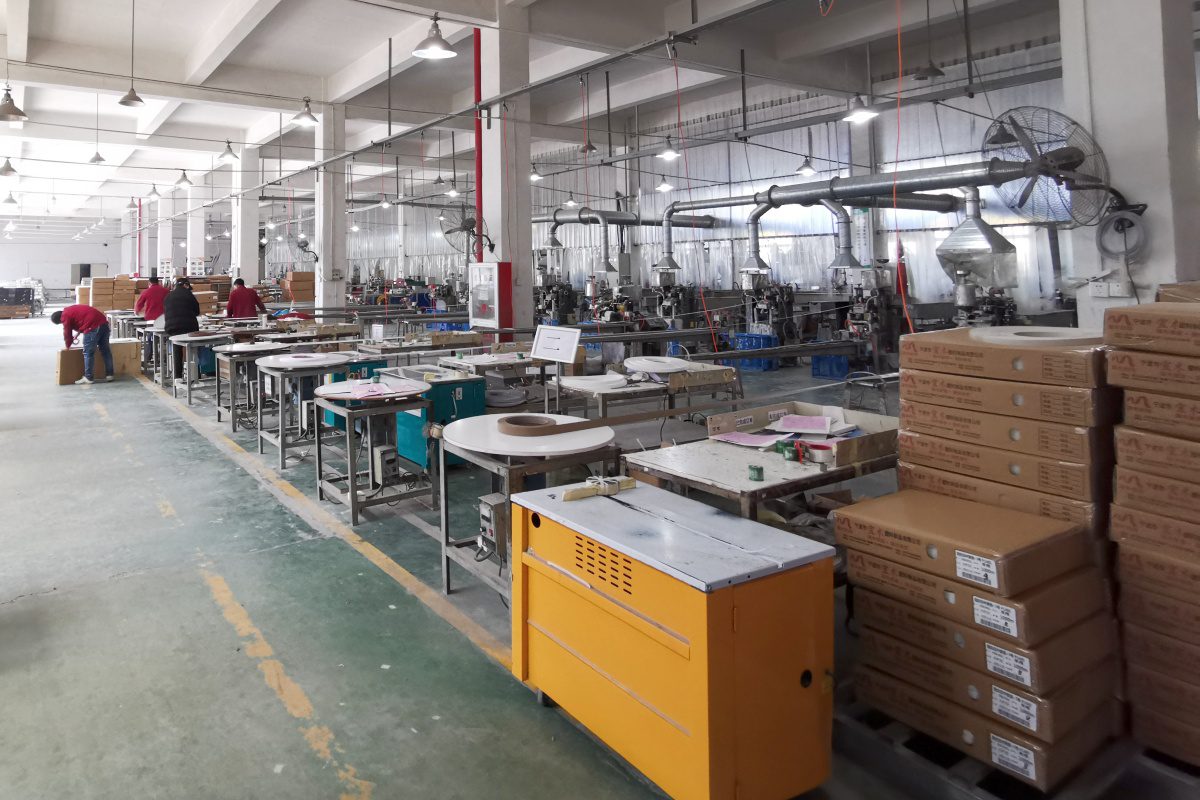
With the steady growth of residential housing, commercial construction, and custom furniture manufacturing, demand for edge banding in Brazil continues to rise. However, local manufacturers are not always able to meet large-volume purchasing requirements or diverse customization needs. As a result, more Brazilian importers and furniture producers have been consulting us about sourcing edge banding from China. In this guide, we take a closer look at the current situation of Brazil’s edge banding industry and explain why many buyers are considering importing from China.
The Current Situation of Edge Banding Manufacturers in Brazil
Brazil has the largest economy in Latin America, with a population of over 213 million and a projected GDP of approximately USD 2.4 trillion by 2025. As one of the region’s leading furniture and woodworking markets, Brazil offers strong domestic demand and solid purchasing power, especially in the MDF and panel furniture sectors.
Most Brazilian edge banding manufacturers mainly supply nearby furniture clusters and focus on standard sizes and common colors. Their advantages often include convenient communication and relatively short local delivery times.
However, based on feedback from several buyers, local factories may face certain limitations, such as:
- Limited color and texture options for customized projects
- Higher costs for bulk orders compared with Asian suppliers
- Inconsistent color stability between production batches
- Difficulty securing large quantities at stable, long-term prices
These challenges have prompted many Brazilian furniture manufacturers and distributors to explore importing edge banding from China as a complementary or alternative sourcing solution.

Why Brazilian Buyers Import Edge Banding from China
China has become one of the world’s leading production hubs for edge banding. Over the past decade, Chinese manufacturers have continuously invested in advanced extrusion lines, precision color-matching systems, and stricter quality control processes. As a result, Chinese edge banding products are highly competitive in the global market.
For many Brazilian furniture manufacturers and distributors, importing edge banding from China offers several clear advantages:
1. Competitive Cost Structure
With large-scale production capacity, a well-developed supply chain, and stable access to raw materials, Chinese edge banding manufacturers can offer very competitive pricing. Even after adding international shipping costs, the overall price is often 20%–40% lower than locally produced products in Brazil or goods imported from some other regions. For bulk buyers, this price difference can significantly reduce production costs.
2. Wide Product Range and Design Options
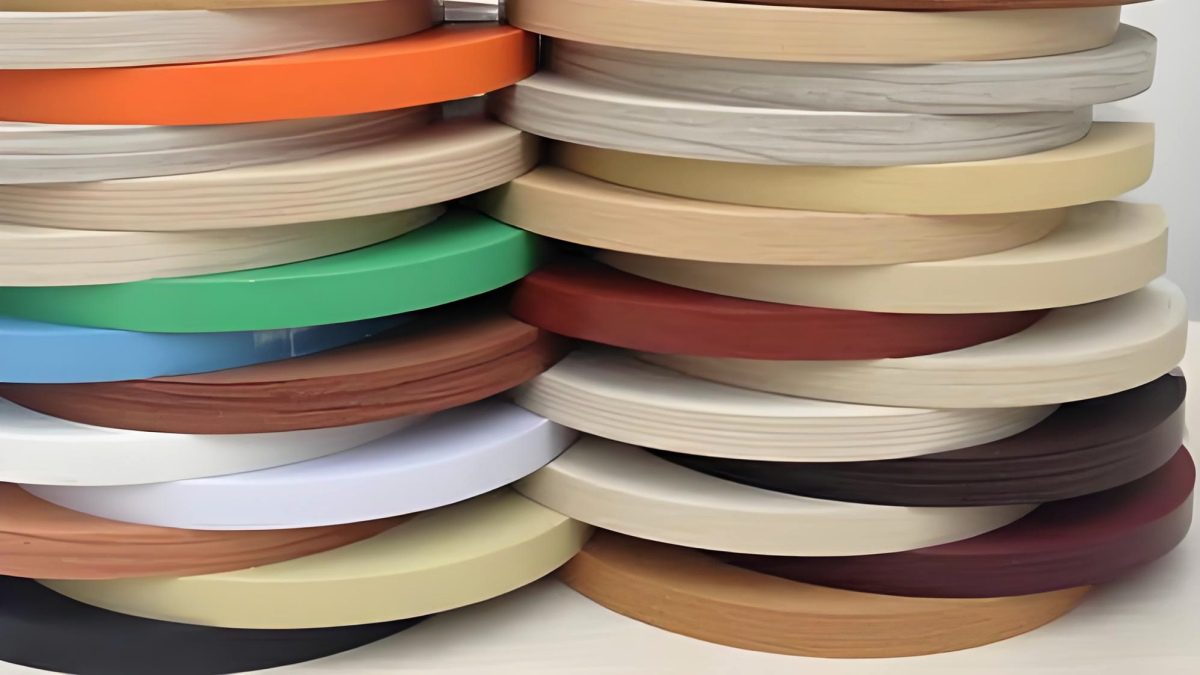
Chinese factories typically offer a full range of materials, including PVC, ABS, PP, wood veneer, and laser edge banding. Thanks to extensive manufacturing experience, suppliers can provide more than 1,000 color options and various surface finishes such as matte, high gloss, wood grain, skin-touch, and stone textures. This wide selection allows Brazilian buyers to match panels accurately and meet both standard and high-end customized furniture requirements.
3. Stable and Consistent Quality
Many established Chinese edge banding manufacturers operate under ISO-certified quality management systems and follow international production standards. This helps ensure consistency in color, texture, thickness, and width from batch to batch. For furniture factories that require long-term supply stability, consistent quality is a key factor.
4. Flexible Minimum Order Quantities
Compared with some local suppliers, many Chinese factories support trial orders, mixed colors in one shipment, and relatively flexible minimum order quantities. This makes it easier for Brazilian buyers to test the market, launch new designs, and manage inventory with lower financial risk.
5. Strong Export and Logistics Experience
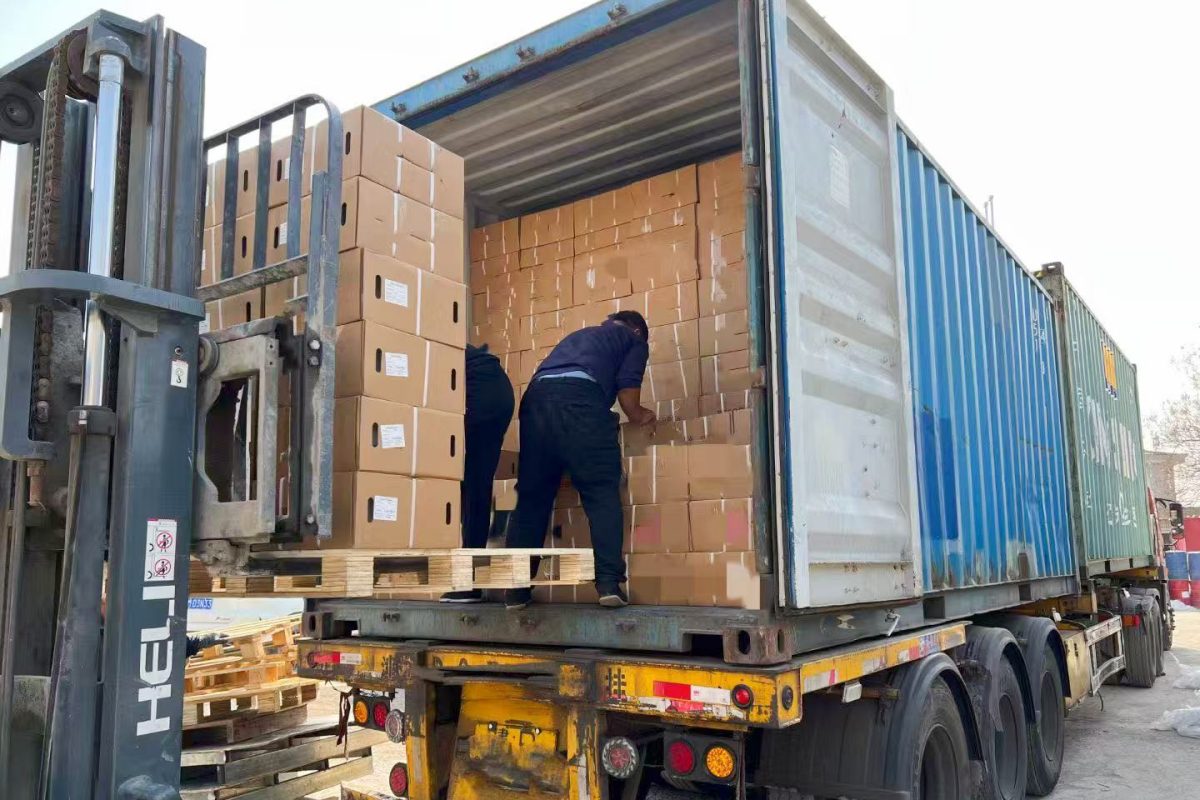
Chinese edge banding suppliers have extensive experience in international trade and ocean freight. They are familiar with export documentation, container loading optimization, and the import requirements of different countries, including Brazil. This experience helps ensure smoother shipping processes and more reliable delivery schedules for overseas buyers.
Why Brazilian Buyers Choose to Import Edge Banding from Shengmei
Shengmei Edge Banding Manufacturer has more than 15 years of experience in producing and exporting edge banding products. With 18 production lines and an annual output of over 15,000 tons, we are able to support both large-scale orders and customized requirements with stable lead times.
Thanks to our long-term cooperation with Brazilian clients, we understand local preferences in color tones, wood grain patterns, and surface finishes. This market insight helps our customers select edge banding that better matches Brazilian furniture trends and improves their competitiveness in the domestic market.
In addition, we have solid experience in ocean freight logistics. Since most edge banding exported from China to Brazil is shipped by sea, we are familiar with container loading, documentation, and delivery procedures. We have shipped goods to major Brazilian ports such as Santos, Paranaguá, and Itajaí, ensuring smooth and efficient transportation for our customers.
Conclusion
Local Brazilian edge banding manufacturers continue to play an important role, particularly in serving urgent orders and small-batch production. However, for buyers looking for more competitive pricing, a broader selection of colors and textures, and stable supply for bulk orders, importing edge banding from China has become a practical and cost-effective solution.
If you are sourcing PVC, ABS, PP, or other types of edge banding for the Brazilian market, contact Shengmei Edge Banding Factory today for free samples and a detailed quotation.